
The deep plane facelift
Restoring the face along the same path it aged. That is why the result looks like you, only rested, rather than pulled or changed.
How the face ages
Facial aging is not just loose skin. It begins beneath the surface.
Your face is held in place by a network of fine ligaments that anchor the deeper tissues to bone. Over time those ligaments stretch, and the deeper layers of the face, including the muscle layer (known as the SMAS) and the fat pads of the cheek, gradually slide downward.
As they descend, the cheeks flatten, the folds beside the nose and mouth deepen, jowls form along the jawline and the neck loses its definition. The skin simply follows the tissue underneath it.
Restored along the same path
If aging moves the deep tissues of the face down, a natural result comes from moving them back up along that same path.
-
Descended
With age
Ligaments stretch and the cheek’s deeper tissues slide down and inward. The skin follows, forming jowls and softening the jawline.
-
Pulled
A skin-only lift
The skin is drawn sideways toward the ear while the tissue beneath stays low. The face can look tight, yet still heavy.
-
Restored
A deep plane lift
The ligaments are released and the deeper tissues and skin rise together, back along the very path they descended.
Not a new face. Your face, returned to where it was.
Why it looks natural
Working beneath the muscle layer changes what a facelift can do, and how it looks for years afterward.
-
It treats the cause
Rather than tightening skin over tissue that has fallen, the lift repositions the deeper layers where facial aging actually happens.
-
No pulled or windswept look
Because the tissue is lifted in the direction it descended, the face keeps its natural contours instead of being stretched toward the ears.
-
The skin is moved, not stretched
The skin stays attached to the tissue beneath it and travels with it, so it closes without tension. That helps incisions heal finely.
-
Cheeks, jawline and neck together
Releasing the ligaments lets the cheeks, jowls and neck be restored in one procedure, so every part of the face matches.
-
Results that age gracefully
Lifting the strong, deep supporting layer, rather than relying on the skin to hold the result, helps the improvement last.
-
Your expressions stay yours
With the face restored rather than reshaped, you look like yourself when you smile, speak and laugh.
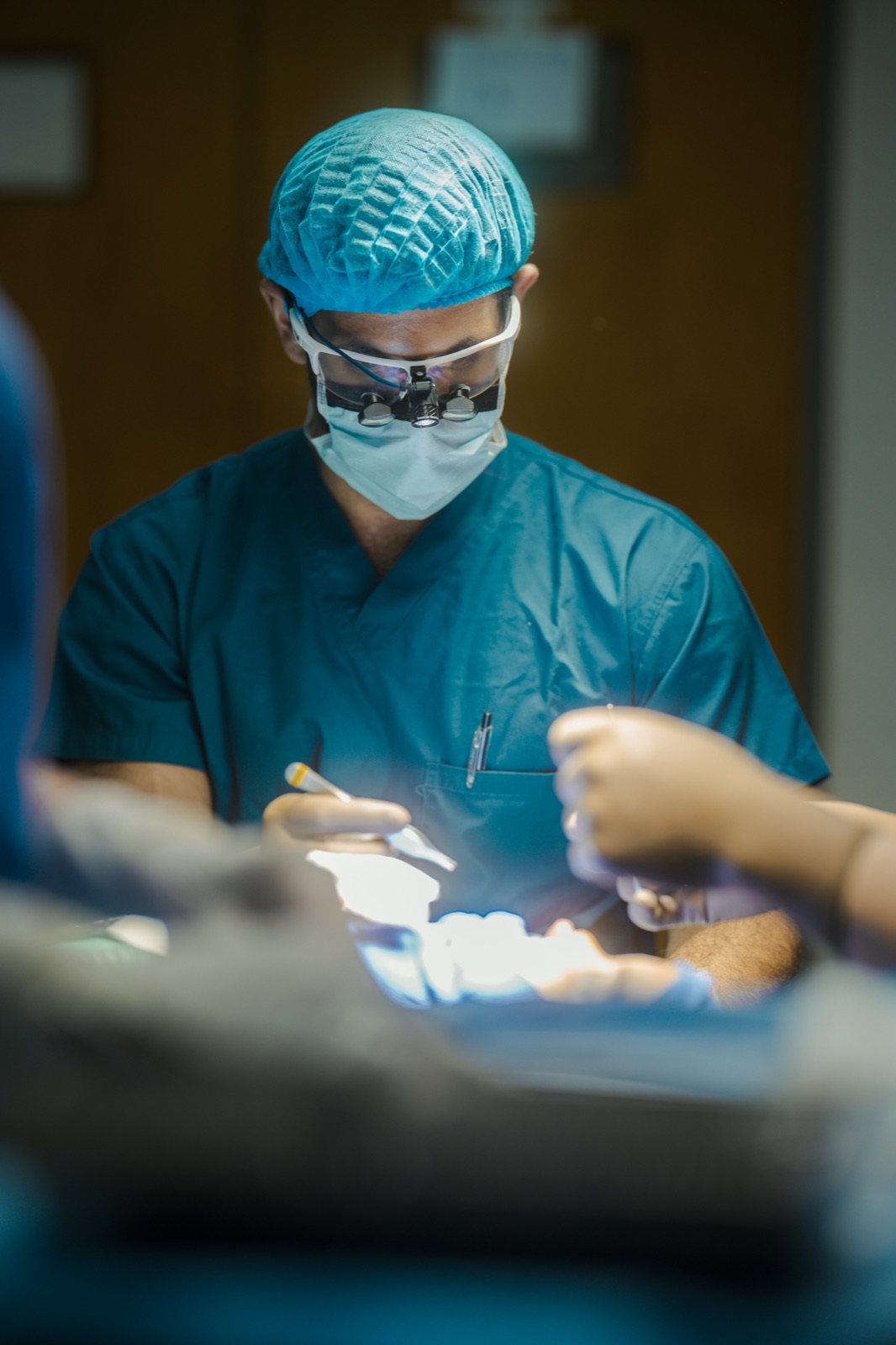
Dr. Guirguis’ approach
The preservation extended deep plane facelift and neck lift.
Preservation means the natural connection between the skin and the deeper tissue is kept intact wherever possible. Lifting them as one unit protects the skin’s blood supply and keeps the face looking like itself.
Extended means the release reaches further into the midface, so the cheeks and the folds beside the nose and mouth are restored along with the jawline.
Neck lift means the neck is treated as part of the same lift rather than as an afterthought, for a defined, continuous line from cheek to collarbone.
Every plan begins with a careful study of your anatomy and your goals. Facial fat grafting, eyelid surgery or a brow lift can be combined when they serve the result.
What to expect
Dr. Guirguis will walk you through every stage in detail at your consultation.
-
Consultation
A thorough discussion of your goals, a detailed facial assessment and an honest view of what a deep plane lift can achieve for you.
-
Surgery day
The procedure is performed under anesthesia, with incisions placed to follow the natural contours around the ear.
-
Early recovery
Swelling and bruising are expected and settle over the first weeks, with close follow-up and direct access to your surgeon.
-
The months after
The result continues to soften and refine as healing completes, revealing a natural, rested version of you.
Questions
Will I look like I’ve had surgery?
The aim is the opposite. Because the deep plane lift restores tissue along the same path it aged, rather than pulling skin tight, people tend to notice that you look rested and refreshed without being able to say why.
How is this different from a traditional facelift?
Many facelift techniques tighten the skin, or fold the muscle layer without releasing the ligaments that hold it down. A deep plane lift releases those ligaments and lifts the deeper tissues and skin together, which allows the cheeks, jowls and neck to move back into position.
What about scars?
Incisions are placed within the natural creases in front of and behind the ear, and along the hairline where needed. Since the skin closes without tension, the scars are designed to heal finely and discreetly.
How long do results last?
No surgery stops time, but because the lift repositions the deep supporting layer of the face, the improvement is designed to last and to age naturally with you.
Am I a candidate?
People bothered by jowls, a softened jawline, deepening folds or loose skin and bands in the neck are often good candidates. The best way to know is a consultation, where Dr. Guirguis can assess your anatomy and discuss your goals.

Considering a facelift?
Join the waitlist and we’ll contact you as soon as consultations with Dr. Guirguis open.